
Second-Hand Furniture in Copenhagen: A Guide for Newcomers & Expats
In this guide:
Where to buy good quality second-hand furniture in Copenhagen
The popular neighborhoods
How to avoid common mistakes as a newcomer
Prefer to see what’s available right now?
Explore the latest second-hand furniture and homeware from Copenhagen vintage stores, all in one place.
Shop secondhand furnitureOr jump straight to:
| Tables | Seating | Lighting | Mirrors |
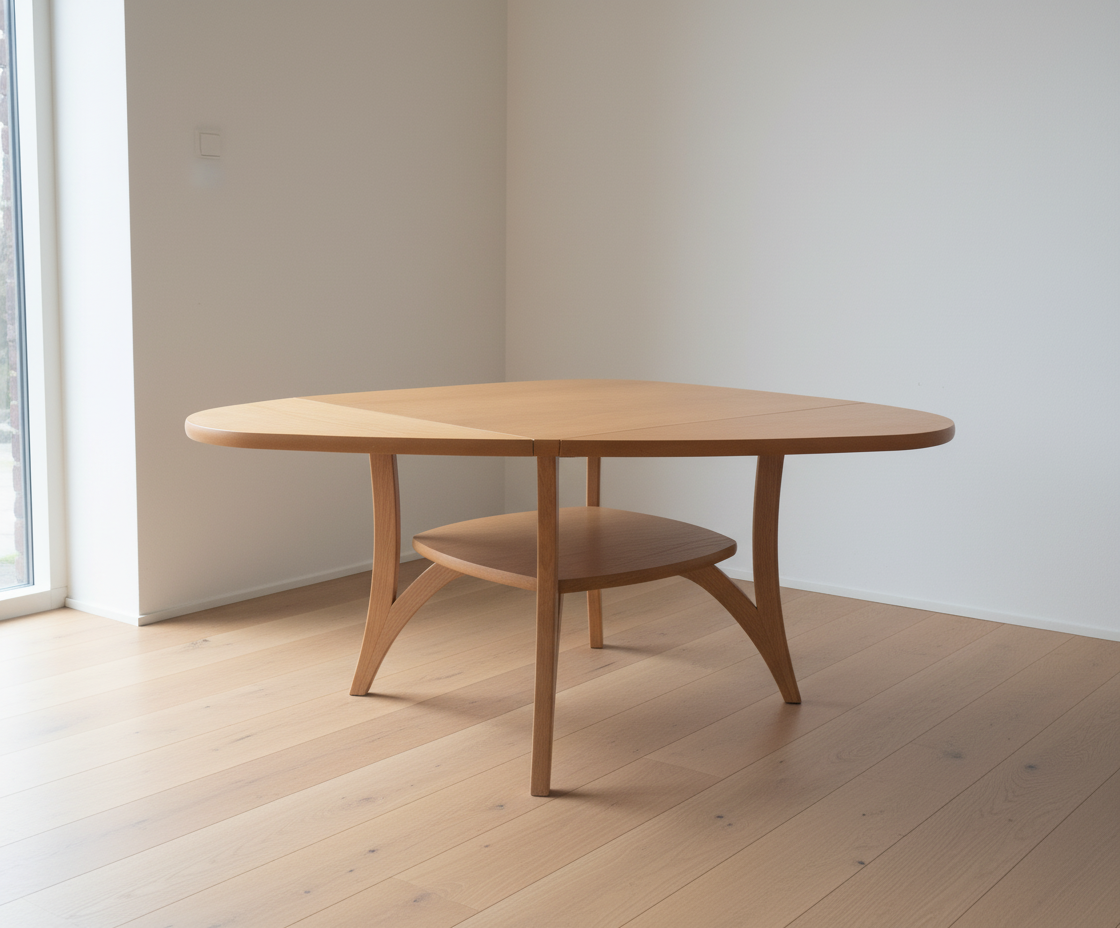
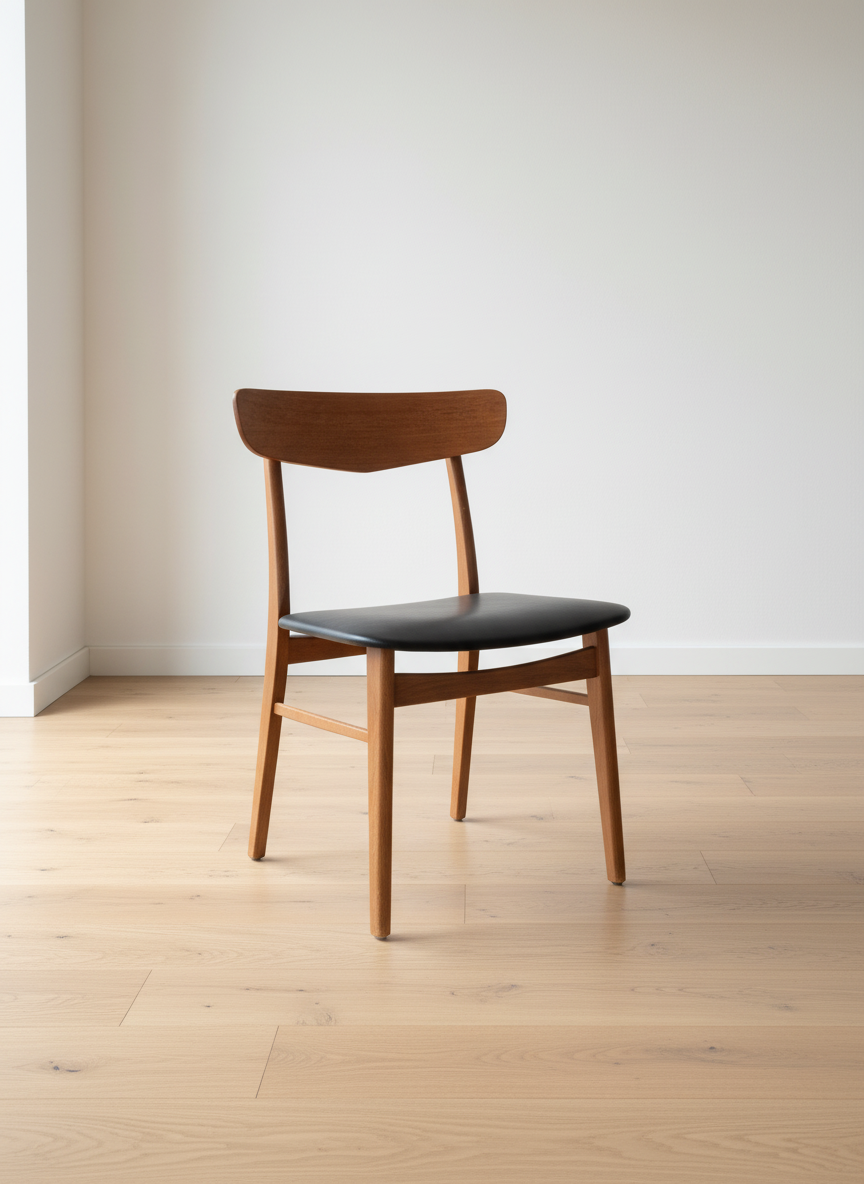
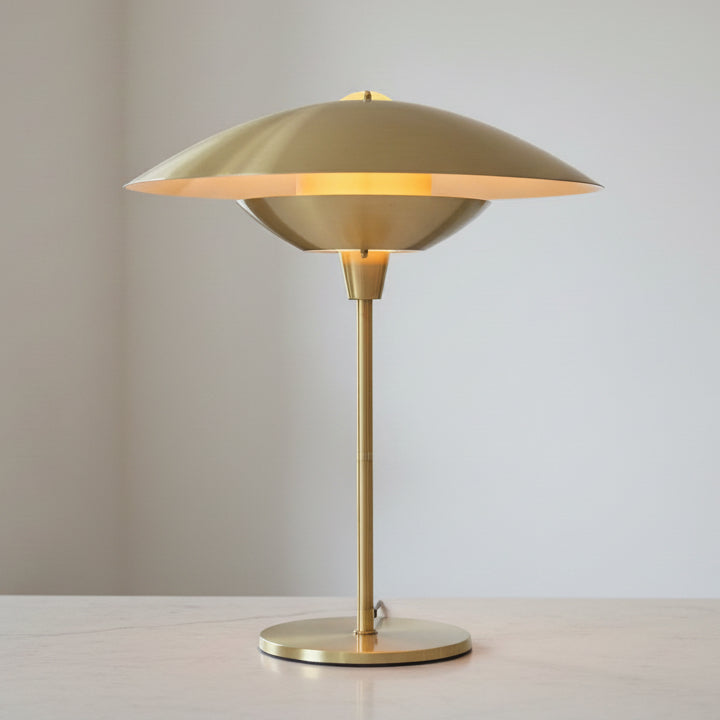
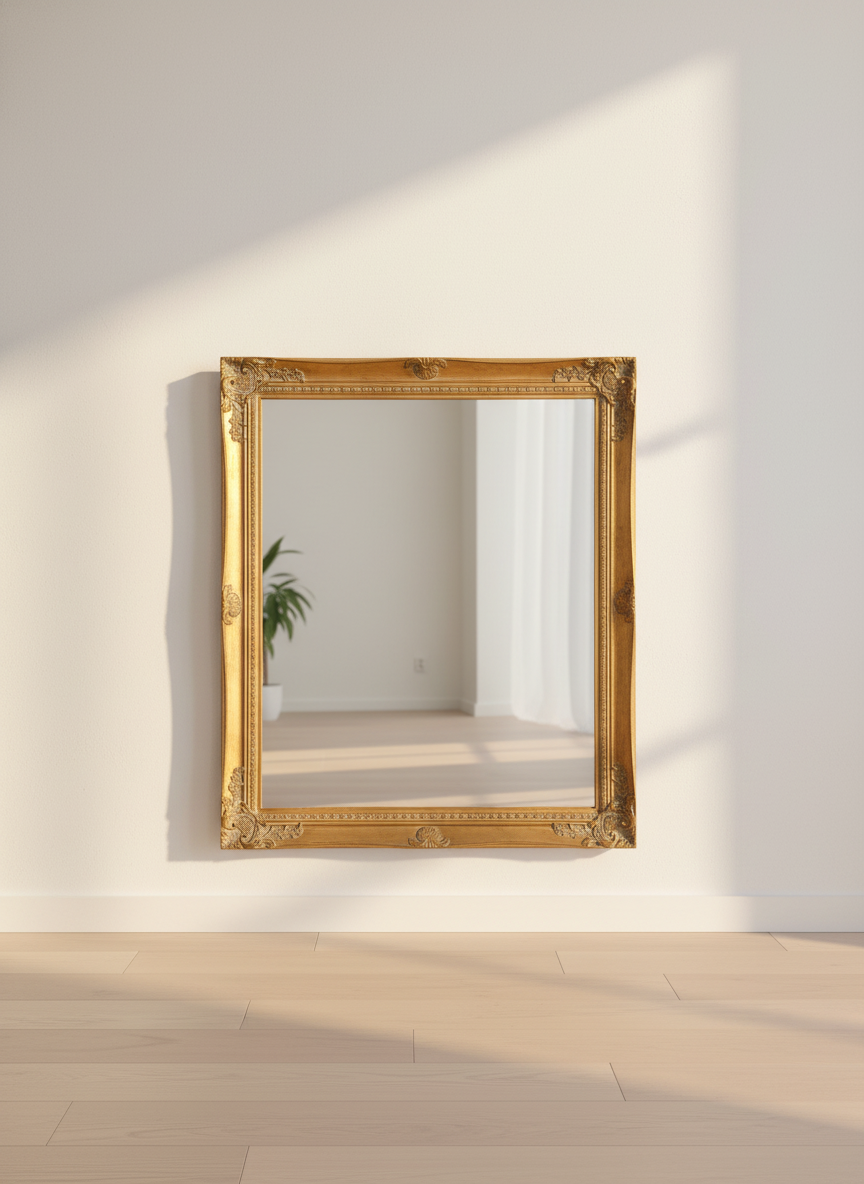
Copenhagen is a fantastic place to buy second-hand furniture, but it can feel overwhelming when you’re new. This guide shows you the fastest way to furnish your flat well, why the local market is so strong, and where to find quality pieces that Danes value and respect.
Where can I buy good quality second-hand furniture in Copenhagen?
Copenhagen has three main shopping channels for buying good quality second-hand furniture and home decor — Charity stores, curated boutiques, and online marketplaces (Biophi, DBA).
1. Physical Charity Stores (Genbrugsbutikker)
These are the most accessible starting point if you don't mind visiting regularly and transporting furniture home yourself. Røde Kors (Red Cross) and Blå Kors (Blue Cross) have multiple locations across the city, and many stores — especially the ones more on the north of the city — have a good furniture selection. Turnover is fast, so the good pieces don't sit around; you'll need to be quick and ideally visit often to catch them.
Best for: Everyday basics, ceramics, kitchenware, random finds.
Tip: Go before the weekend rush, and don't expect to find exactly what you want on the first visit — treasure-hunting takes a few trips.
2. Curated Vintage Stores
These are more expensive but already edited for quality and taste. Genfund in Frederiksberg is one of the best-known for curated Danish design. KLASSIK Moderne Møbelkunst in the city centre stocks iconic mid-century Danish furniture — this is where you go to understand the market and learn what quality looks like, even if you're not buying at those prices. B&W Market in Reffen is one of the biggest markets for Mid-Century Modern Scandinavian furniture that sees individuals and professional buyers come in often. Ravnsborggade is also worth an afternoon — the entire street is lined with curated vintage stores and you can browse them all in a single walk.
Best for: Understanding Danish design, investment pieces, gifts.
Tip: Visit these first if you're new, so you develop an eye before buying in charity shops. Biophi works with many of these stores so you can browse their collection online!
3. Online marketplaces
DBA is the largest marketplace locals use and is the Danish equivalent of Craigslist or Gumtree. Here, you can most likely find what you need but will need to chat to check availability and arrange your pickup from people's homes. The interface is in Danish but straightforward to navigate with Google Translate. Search for specific item types — sofa, spisebord (dining table), reol (bookcase), lænestol (armchair). Facebook Marketplace exists but has more scam risk. Biophi is a curated online marketplace where you can shop directly from Copenhagen's best vintage stores — with photos, prices, and pickup info all in one place, no back-and-forth messaging required, and home delivery! It is built with newcomers in mind.
Best for: Large furniture, specific searches, the best prices.
Tip: Filter by Copenhagen and sort by newest first. Good pieces go fast — message the same day you see something you want.
Which Copenhagen Neighborhoods Are Best for Finding Vintage Furniture Stores?
Stores Worth Knowing by Name
- Røde Kors Megastore — Tuborgvej, NV. Furniture, homeware, clothes. Huge selection.
- Blå Kors — Borgergade 27, Indre By. Great Scandinavian brand selection.
- Kofoeds Skole — Underrated. Well-organised, quality pieces, not yet overrun by pickers.
- B&W Market — Reffen. Big warehouse full of Scandinavian furniture. Buyers visit from all over Denmark.
- Frelsens Hærs Genbrug — Hørhusvej. Big store, furniture included, open Tuesday–Friday + first Saturday of the month.
- Biophi — online marketplace curating pieces from Copenhagen's best vintage stores. Browse, reserve, and collect at your own pace.
How to Choose Good Second-Hand Furniture?
Buy second-hand in Copenhagen:
- Teak furniture (tables, drawers, etc) from the 1950s–1970s — almost always solid wood, built to last and maintains resale value
- Royal Copenhagen and Bing & Grøndahl ceramics — widely available, identifiable by the blue mark underneath
- Danish glass and stoneware — often unmarked but high quality
- Mid-century lamps and pendants — particularly Fog & Mørup, Le Klint, and Poulsen styles.
Be careful with:
- Upholstered furniture without knowing the condition of the frame underneath
- Anything priced like it's designer at a charity shop — sometimes it is, sometimes it isn't. Learn the names or markers, or check Biophi first to get a feel for fair pricing on named designers.
- IKEA second-hand — can work for very short-term needs, but at the same price you'll often find solid wood pieces in vintage shops that will outlast anything from IKEA and will maintain resale value.
Practical Tips for Expats Specifically
1. The language barrier is smaller than you think. Most store staff in Copenhagen speak fluent English. DBA listings are in Danish, but the key vocabulary is easy to learn: god stand means good condition, brugt means used, fast pris means fixed price. You can always message the seller in English and they will reply back.
2. Bring measurements. Danish apartments often have lower ceilings and narrower doorframes than you might expect. Know your room dimensions before you fall in love with a large table.
3. Transport is your problem. Transport is your problem. Unlike buying new furniture, most private sellers don't offer delivery. Rent a van for the day through GoMore or Europcar, or ask in local expat Facebook groups — people often help each other with furniture pickups. Silvan also has free cargo rentals if you have a car. If transport is what's holding you back, Biophi has delivery available on many items, so check there first before ruling something out.
4. Negotiate, but politely. In stores, prices are usually fixed — don't haggle. On DBA and at flea markets, a polite offer 10–15% below asking is normal and usually accepted.
5. Flea markets happen in summer. From May to August, weekend flea markets appear across the city — Frederiksberg Have, Israel Plads, and neighbourhood associations all run them. These are excellent for smaller pieces and decorative items. The Bella Center flea market happens many times throughout the year and is one of the biggest ones to find all kinds of secondhand items.
The Bigger Picture
Buying second-hand in Copenhagen isn't just a budget move — it's one of the more meaningful ways to engage with the city's culture. Denmark has a genuine, long-standing genbrug tradition that predates the sustainability trend. When you buy a 1960s teak dining table from a charity shop in Nørrebro, you're continuing a chain of care that might go back three or four families.
That's worth something — and it costs less than IKEA.
Ready to furnish? Browse the latest finds.
Biophi is a curated second-hand homeware marketplace connecting Copenhagen's best thrift stores online.


